
email
info@aonmining.comCALL US
+8616638337976
CALL US
+8616638337976
Before you send a deposit to a Chinese crusher manufacturer, verify five things: the legal company behind the name, whether they actually manufacture or only trade, the real workshop (photos or a live video call), reference projects you can contact, and a flowsheet or general arrangement drawing — not just a price list. A serious supplier will welcome every one of these questions. A supplier who dodges them has already told you something important.
A spare part that arrives wrong costs you a week and a re-order. A complete 300 t/h crushing line that arrives wrong costs you a foundation, a shipping season and a year of your own reputation with your customer.
Most buyers never meet their supplier face to face. The machine is built thousands of kilometres away and installed by people who have never seen the factory. That distance is exactly why verification matters: everything you cannot see with your own eyes has to be checked with documents, images and references.
This guide shows what to ask for, how to read the answer, and which answers should stop the deal.
Start with the paperwork, not the product.
Ask for the business licence (in China, the “yingye zhizhao”). It is a one-page document, easy to send, and it tells you a lot:
Legal company name: does it match the name on the quotation, the contract and the bank account?
Registration number and date: how long has the legal entity existed?
Registered capital: a rough indicator of scale, not a guarantee of quality
Business scope: does it include machinery manufacture, or only trading?
The single red line here: the company name on the quotation, the name on the contract and the name on the bank account must all be the same. If your money is going somewhere other than the company you are dealing with, stop and ask why.
any compaMnies that call themselves crusher manufacturers are traders. That is not automatically a problem — but you deserve to know which one you are buying from, because it changes who is responsible for the machine, the wear parts and the commissioning.
Ask directly:
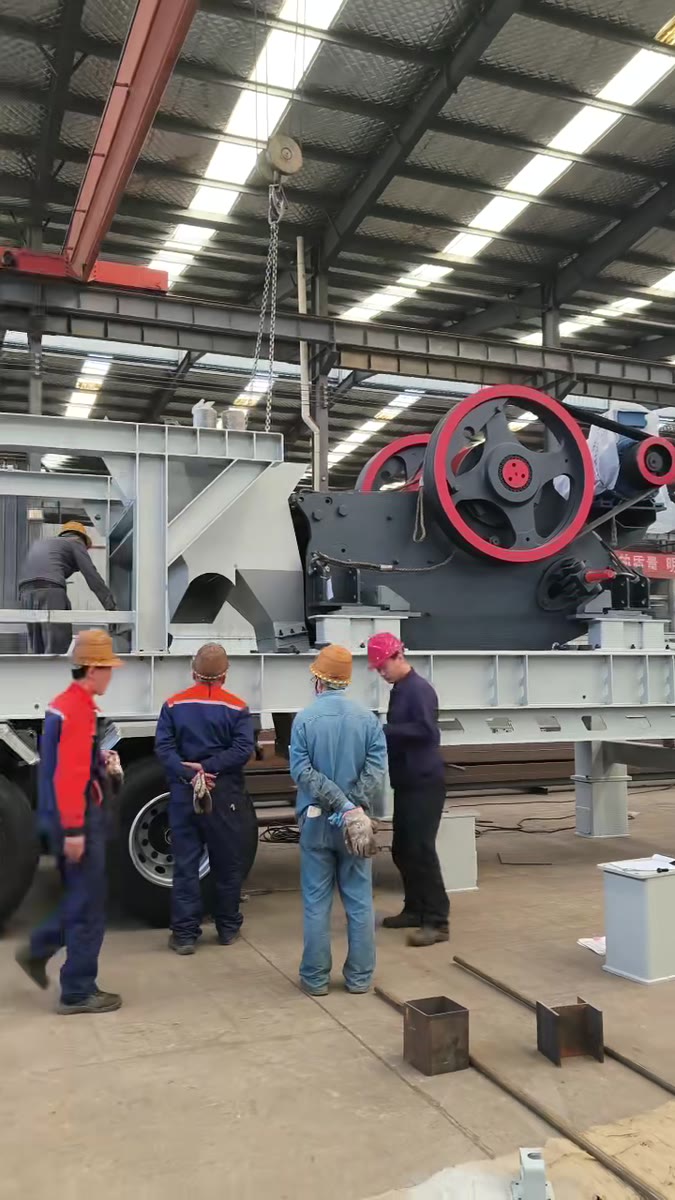
Do you have your own workshop? How large?
What do you make in-house: casting, machining, assembly, or all three?
How many production staff and engineers do you have?
Can you send me a photo or a short video of the shop floor today?
A real manufacturer answers these without hesitation. A trader tends to answer with brochures.
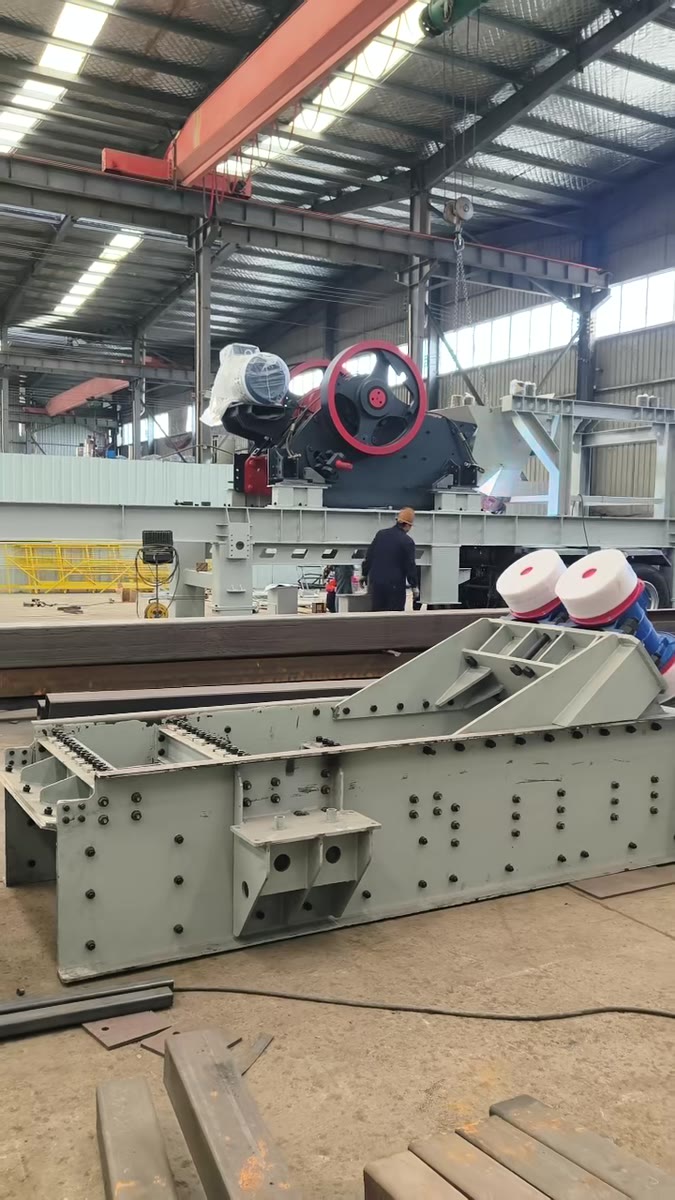
A catalogue is not a factory. Ask for:
Photos of the workshop taken recently, ideally with equipment under assembly
A short video showing the line, the machine and the people working on it
For larger orders, a live video call walking through the production area
One note of honesty: a workshop photo proves a workshop exists — it does not prove the machine is good. A tidy, busy workshop is a positive signal, not a guarantee. Treat it as one input among the six steps here, not the whole answer.
Every supplier shows project logos. Ask a sharper question: “Can you give me two or three recent projects — country, material, capacity — and a contact I can email?”
Then write to that contact. Ask whether the machine was delivered on time, whether it performs to the quoted capacity, and how the supplier handled any problem after commissioning. Ten minutes of this tells you more than any brochure.
A manufacturer with hundreds of delivered projects should have no trouble naming running plants.
This is the fastest way to separate engineers from order-takers.
A serious crusher manufacturer will ask you four questions before quoting: material type and hardness, maximum feed size, required product sizes, and target capacity in tonnes per hour. Then they design ae flowshet — which machines, in which order, with which screens — and send it with the quotation.
If the first reply is a price, with no questions about your material, that is not a shortcut. It is a warning. A price without a flowsheet is a number without a machine behind it.
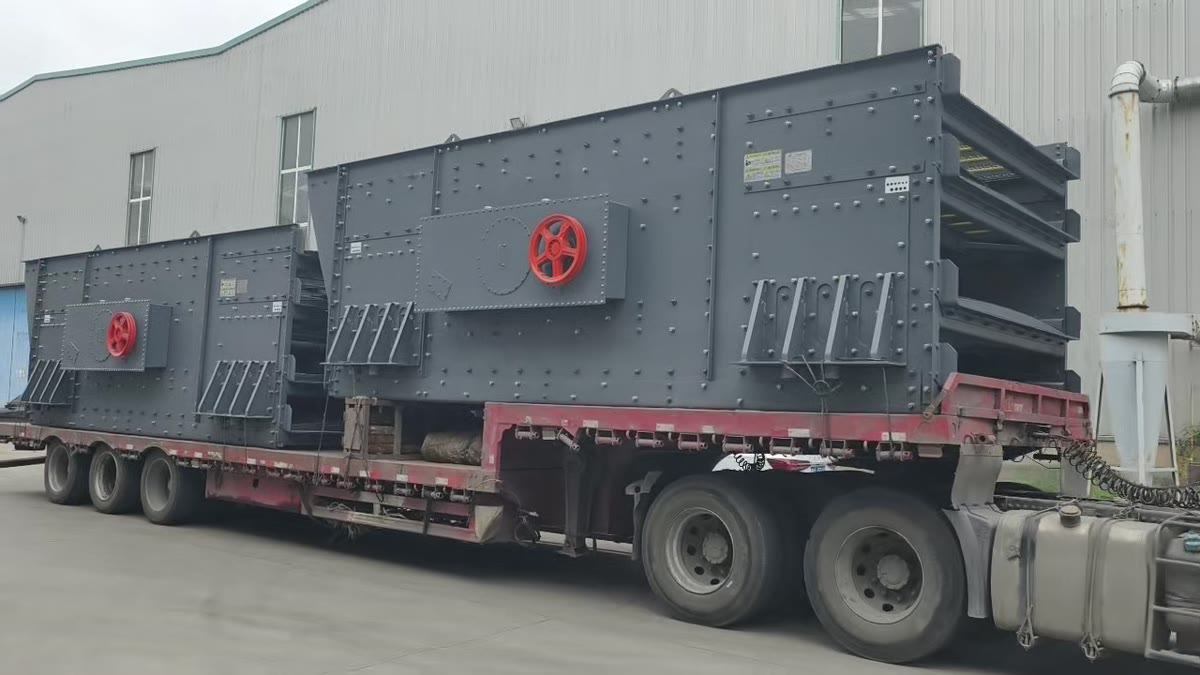
Finally, ask what happens between order and dispatch:
Is every machine tested before shipment?
Can you send the test report and a video of the machine running?
Do you provide packing photos, a packing list and loading photos?
What documents come with the shipment?
A supplier who cannot show you how they inspect and pack their machines is quietly asking you to take the whole risk. Pre-shipment inspection exists to move that risk back to where it belongs.
A quotation with no technical questions asked first
A different company name on the quotation, the contract and the bank account
Only renderings and white-background product shots: no real workshop photos or video
A price far below every other quote, with no explanation
No wear-part list and no expected life in tonnes
Refusal to arrange a live video call or a factory visit
No pre-shipment test report
Any one of these, on its own, deserves a question. Two or more together deserve a different supplier.
We do not expect you to take our word for any of the above, so here is how we apply it to ourselves.
AON Mining is based in Zhengzhou, the heart of China’s machinery industry. Our partner factory has 19 years in aggregate and mining equipment and more than 300 EPC projects delivered, with a 60,000 m² production base plus in-house R&D and assembly under one roof.
If you are evaluating us, ask us for the same six things above. We will send the business licence, workshop photos and video, running-project references, the flowsheet and general arrangement drawing for your project, and the inspection record before shipment. If we cannot answer one of them, you have learned something useful before you pay — which is the entire point of this guide.
Q: Is a trading company always a bad choice?
A: No. A good trading company can manage quality control, logistics and after-sales well. What matters is that you know which one you are dealing with, and who is responsible when something goes wrong.
Q: Should I visit the factory in China?
A: If the order is large enough to justify the trip, yes — seeing the workshop and meeting the team removes most of the uncertainty. If you cannot travel, a live video walkthrough is the next best thing.
Q: What documents should I ask for first?
A: The business licence, a recent workshop photo or video, the flowsheet or general arrangement drawing, the wear-part list, and the test report and loading photos before shipment.
Q: How do I compare two suppliers fairly?
A: Compare the same scope. Check whether motors, steel structure, control panels and wear parts are included, and compare the wear-part cost over three years, not only the purchase price.
Send us your material type, maximum feed size, target output size and required capacity. Our engineers will come back with a recommended flowsheet and a quotation, usually within 24 hours — and we are happy to arrange a live video walkthrough of the workshop or a factory visit.
Email: info@aonmining.com
WhatsApp: +86 166 3833 7976
Website: www.aonmining.com
AON Mining Equipment Co., Ltd. — Zhengzhou, China
19 years in aggregate and mining equipment, 300+ EPC projects delivered.

