
email
info@aonmining.comCALL US
+8616638337976
CALL US
+8616638337976
No crusher leaves our factory without running. Every machine completes a no-load run test, a hydraulic and lubrication check, a discharge setting (CSS) adjustment test, and — for complete lines where material is available — a loaded trial. The customer receives the test report, photos and video before the machine is packed. This page shows exactly what we check, and why each check matters to the person paying for the equipment.
A crusher is not a shelf product. It is a heavy machine built to order, and it will spend the next decade in a quarry thousands of kilometres from the factory that made it. Any defect that survives into the container becomes a problem the buyer has to solve with local labour, local parts and a language barrier.
Factory testing moves that risk back to where it belongs — the manufacturer’s floor. Every hour spent testing here saves days of downtime there.
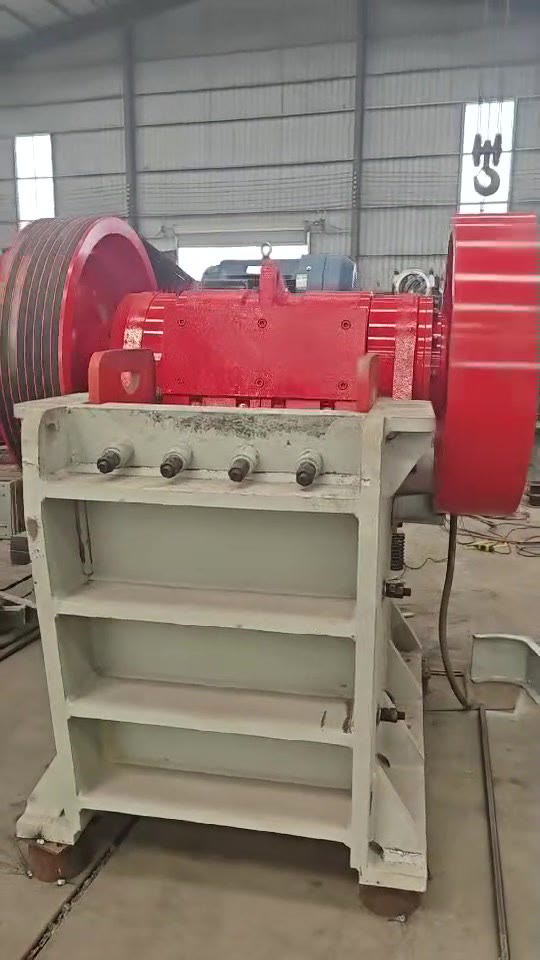
No-load run test
The machine runs empty for a set period. We watch for abnormal vibration, noise, overheating of bearings and oil leaks. This catches assembly errors, misalignment and loose fasteners before they become field failures.
Hydraulic system test
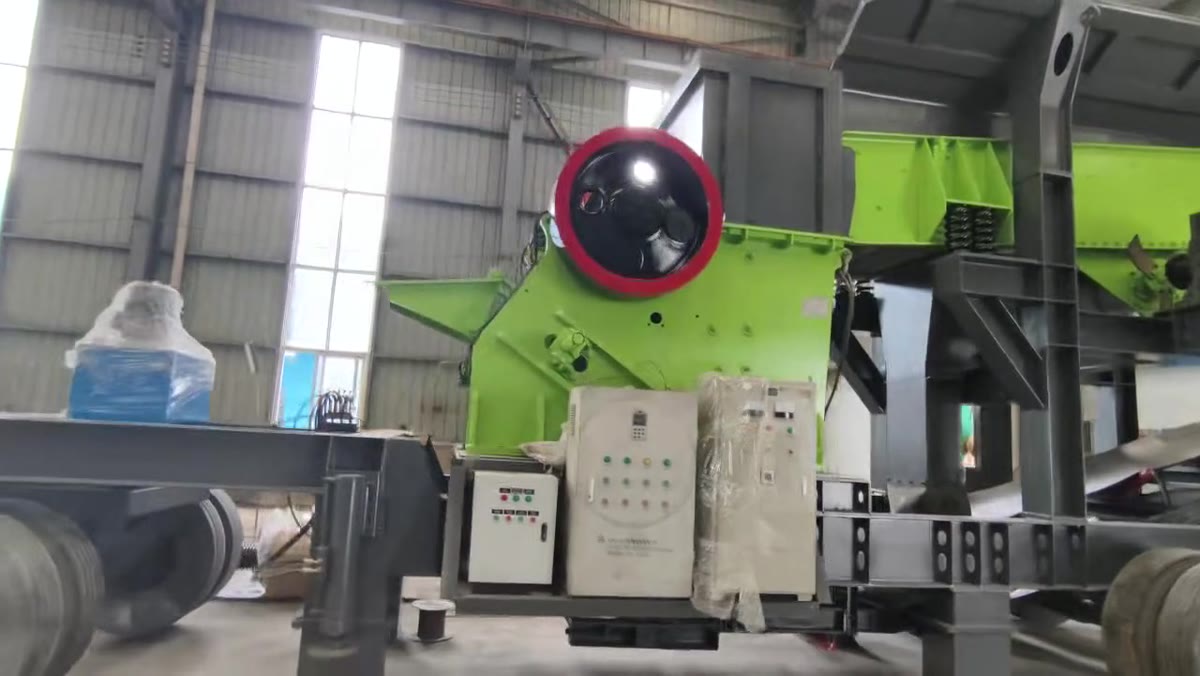
For hydraulic cone crushers and jaw crheusrs with hydraulic adjustment, we verify the cylinders, the accumulator and the control valve, then check that the relief and overload protection actually works. A crusher that cannot release a tramp iron blockage is a crusher that will break a shaft.
Lubrication and oil circuit check
We confirm oil pressure, flow and temperature stabilise within the specified range, and that there are no leaks at any joint. Most premature crusher failures in the field trace back to lubrication, so this check is one of the most important of all.
Discharge setting (CSS) adjustment
We move the discharge opening through its full working range and record the actual gap at each setting. The buyer gets a machine whose dial means what it says — important when the plant has to hit an exact product size.
Motor and electrical check
Current draw under no-load and under load is measured against the name plate. Wiring, terminal boxes and the control panel are inspected before dispatch.
Loaded trial
For complete crushing lines, where representative material is available, we run the circuit so the jaw, cone and screen work together under genuine conditions. Where site material cannot be sourced, we run a representative trial and document the conditions so you know exactly what was tested. This is where a flowsheet either proves itself or shows a gap that is far cheaper to fix here than on site.
Final inspection and documentation
The machine is inspected against the packing list, the test report is completed, and the unit is photographed and filmed before rust protection is applied.
A signed test report for the machine
Photographs of the machine under test
Video of the no-load run, and — where the line and material allow — footage of the loaded trial
The packing list matched to the actual shipment
Rust protection and packing photographs before the container is closed
If a supplier cannot provide a test report and video before shipment, that is information worth having before you pay, not after.
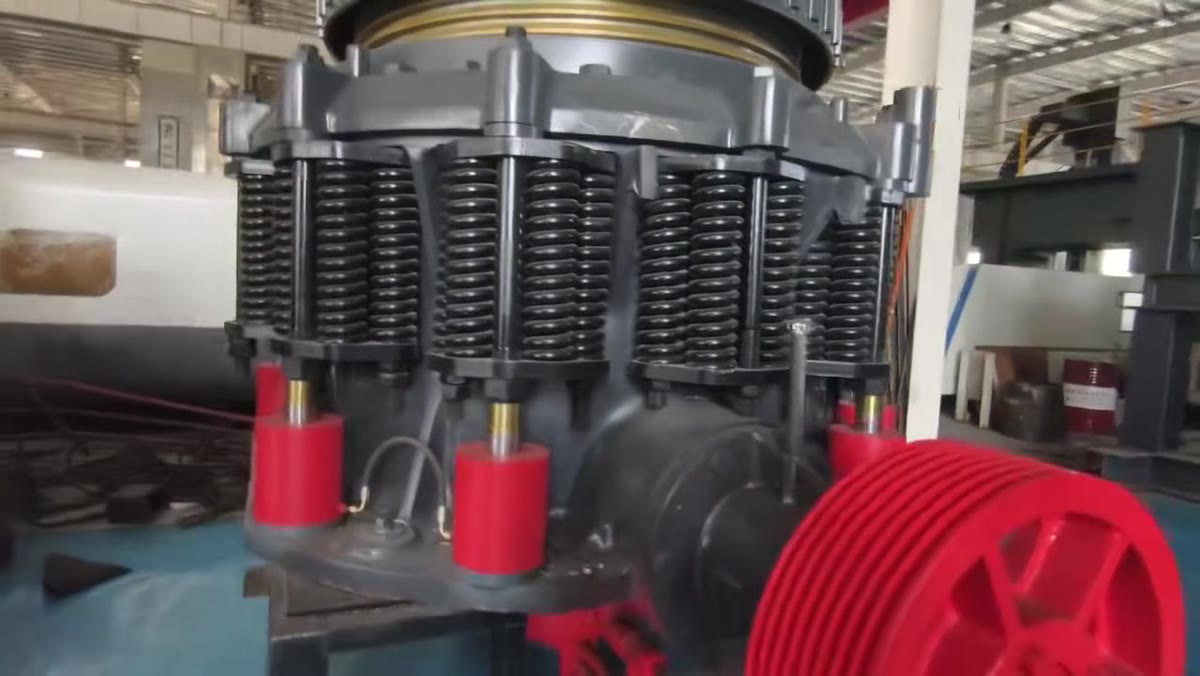
A single machine test tells you the machine works. Testing a complete line tells you the flowsheet works. With more than 300 EPC turnkey projects behind us, we have learned exactly which faults show up at the factory gate and which ones only appear in the plant. That experience is built into the test procedure above.
Our own 60,000 m² production base, in-house R&D and complete assembly under one roof mean the person who tests the crusher and the person who designed it work for the same company.
Q: Can I attend the factory test myself?
A: Yes. Customers are welcome to attend, and we can also run the test on live video for buyers who cannot travel.
Q: Will you test my machine with my actual material?
A: Where the material is available or can be sourced locally, yes. Where it is not, we run a representative trial and document the conditions so you know exactly what was tested.
Q: Do you test every machine, or only sample units?
A: Every machine. A crusher is a one-off build, so each unit is tested on its own.
Q: What happens if a fault is found during testing?
A: It is corrected and the machine is retested. The test report records the final result, not the first attempt.
Q: How long does testing take?
A: Most single machines complete testing within 1 to 2 days. A complete line takes longer because the stages are tested together.
We are happy to send the test video and report for any machine in production, or to run a live video walkthrough of our workshop. Send us the model you are considering and we will show you exactly how it is built and tested.
Email: info@aonmining.com
WhatsApp: +86 166 3833 7976
Website: www.aonmining.com
AON Mining Equipment Co., Ltd. — Zhengzhou, China
19 years in aggregate and mining equipment, 300+ EPC projects delivered.

